What a hook has to do, and how long it really is
The advice everyone repeats is that you have one or two seconds. That is true of the picture, and not of the line. We timed the opening line of 14 ads on this site, every one that starts with someone speaking, using the word-by-word timing each ad was cut with:
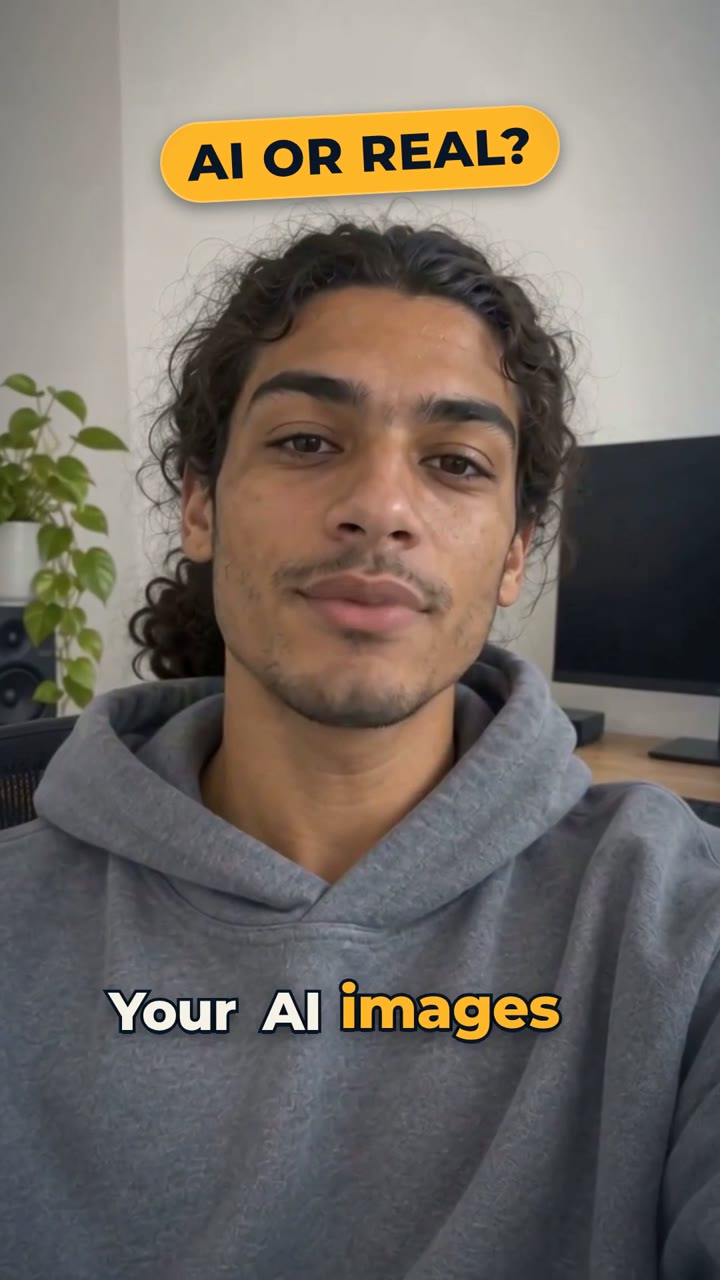
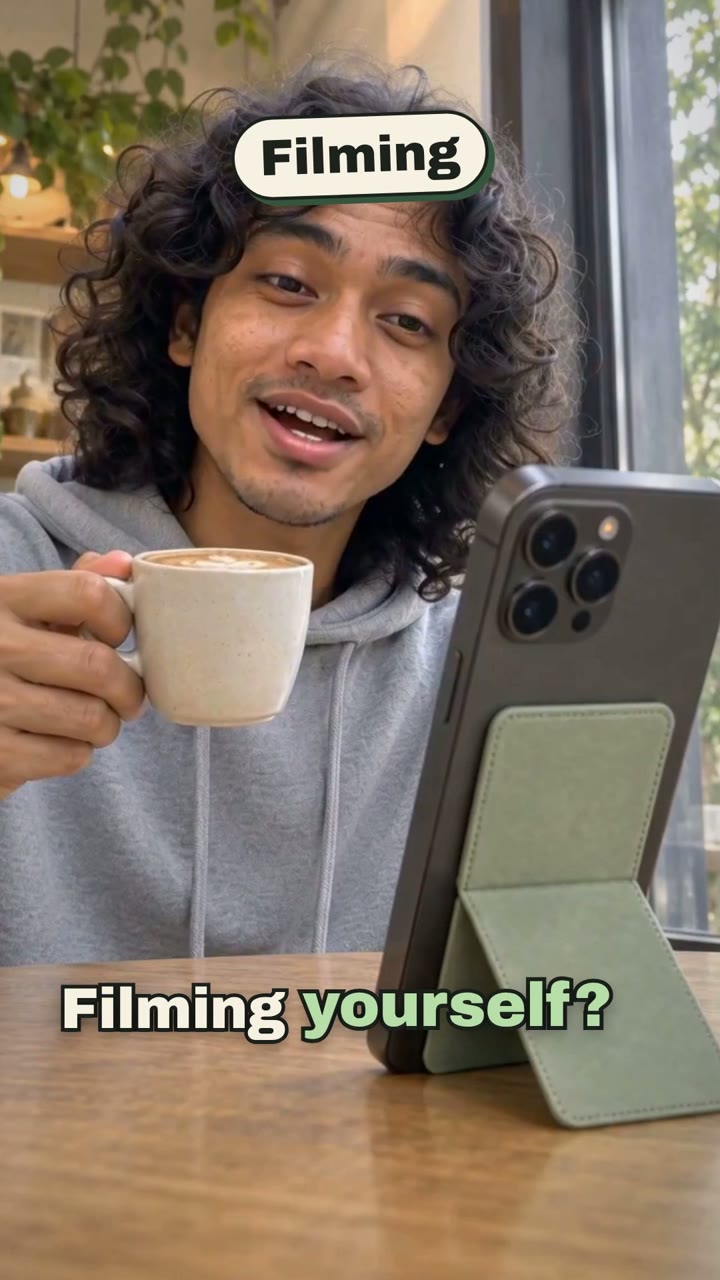
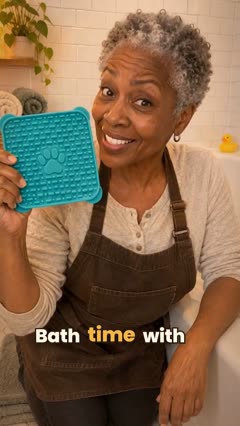
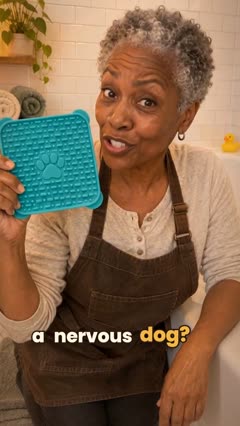
The shortest opening line is over in 1.1 seconds and the longest takes 4.1. The one in the middle runs about 10 words and ends 2.9 seconds in. So a spoken hook is not finished inside one second, and it does not have to be. What has to be there at once is something to look at: in every ad pictured below, the product, the problem or the words on the screen are visible within the first half second, long before the sentence is done.
TikTok ad hooks have one more job than a hook on an ordinary post. A post only has to be watched. An ad has to make the right person stay and let the wrong one go, because you pay for both. That is why half the types below name the product, the buyer or the offer straight away.
Who can say it: a host, a shot or a real customer
Each hook below carries one of three marks. It is the part most hook lists leave out, and it matters the moment the person on screen is an actor, a hired creator or an AI presenter.
- A host can say thisA line a presenter can say about a product without claiming to have used it. 77 of the 100.
- A shot, no one speaksWhat the first shot shows, or words on the screen. 16 of the 100.
- Only a real customerA line that claims a personal experience. Only someone who had it may say it. 7 of the 100.
The reason is the law as well as good manners. In the US, the FTC's rule on consumer reviews and testimonials (16 CFR Part 465) bans testimonials that misrepresent that they come from someone who does not exist, or from someone with no actual experience of the product. An AI presenter has never used your product, so in ReelHatch it is always a host. The customer-only hooks are here for real creators and real customers, and they have no "Use this hook" button.
Source: FTC, final rule banning fake reviews and testimonials (August 14, 2024). This is general information, not legal advice.
The 100 hooks
Use these as TikTok hook ideas, not as scripts: fill the blanks in [brackets] with your product, your buyer and your offer. "Copy" puts a hook on your clipboard. "Use this hook" opens the ReelHatch composer with the hook already written into a prompt, ready for your product's name.
 0.4s
 1.4s
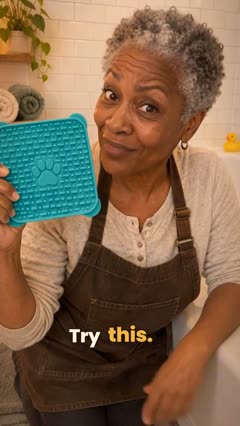 2.4s
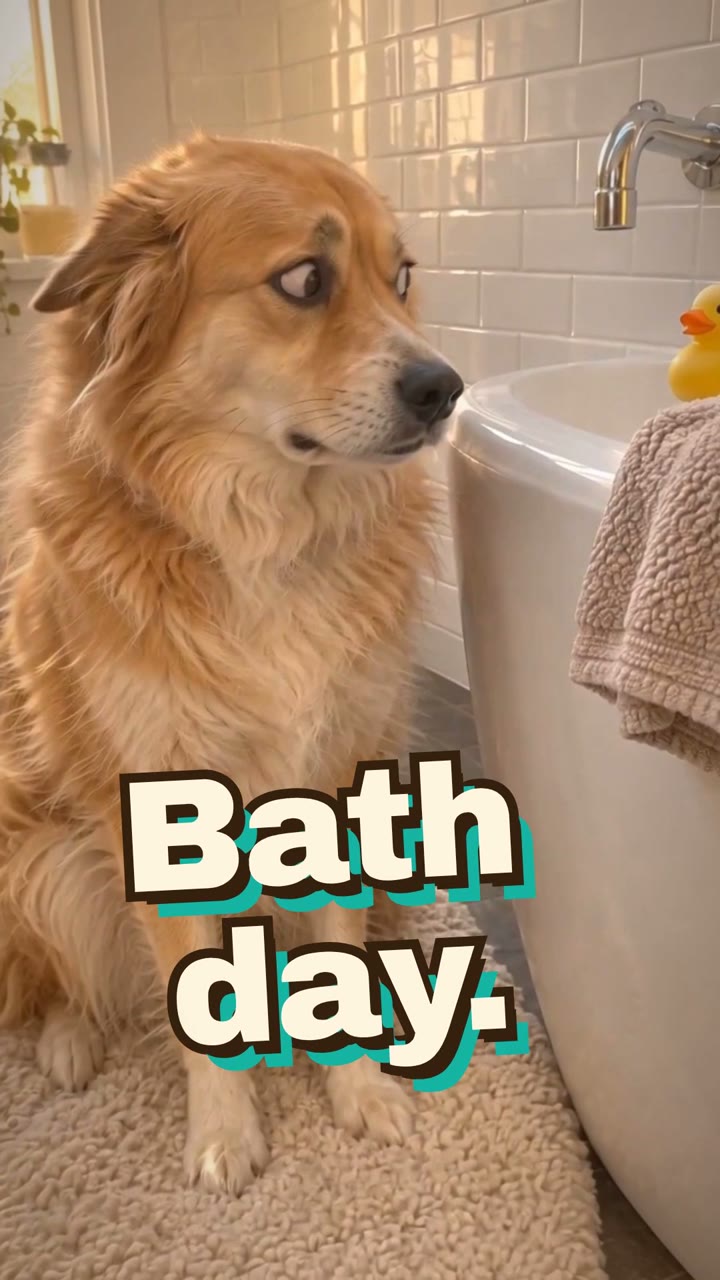
In a real ad: "Bath time with a nervous dog? Try this."
Type 1 of 10
Ask the viewer a question
A question about a moment the viewer knows makes them answer it in their head, and answering is staying. It works best when the question could only be meant for the people you sell to.
- [Everyday moment] with [what makes it hard]? Try this. Host Use this hook
- Does your [thing] feel [the bad way] after [routine]? Host Use this hook
- Stuck on a gift for someone who has everything? Host Use this hook
- Still [doing it the old way] this year? Host Use this hook
- What if [the chore] took [short time]? Host Use this hook
- You know that moment when [small frustration]? Host Use this hook
- Why does every [product type] [annoying thing]? Host Use this hook
- Is your [thing] ready for [season or event]? Host Use this hook
- How much [time or money] did [the problem] take from you this week? Host Use this hook
- Want to know what I changed after [bad experience]? Customer only
 0.4s
 1.4s
 2.4s
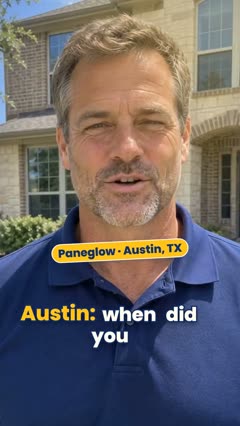
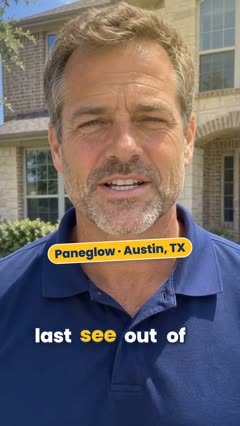
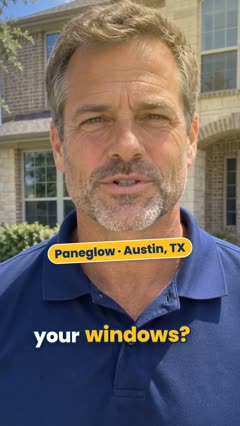
In a real ad: "Austin: when did you last see out of your windows?"
Type 2 of 10
Call out who it is for
Naming the audience in the first word tells the right people this is theirs and lets everyone else go. A city, a job or a situation all work; the narrower the name, the stronger the pull.
- [City]: when did you last [thing your service fixes]? Host Use this hook
- [Job title]s: here is [task] done in [number] taps. Host Use this hook
- If you have [specific situation], this one is for you. Host Use this hook
- New [parents, runners, cat owners], save this. Host Use this hook
- Small shop owners, watch this before [busy season]. Host Use this hook
- This is for anyone who [habit]. Host Use this hook
- [Audience], give me ten seconds. Host Use this hook
- Only [audience] will get this. Host Use this hook
- Calling everyone within [distance] of [place]. Host Use this hook
- As a [job], this is the first thing I open every morning. Customer only
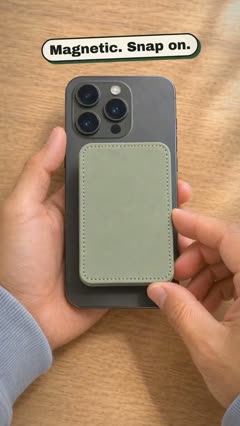 0.4s
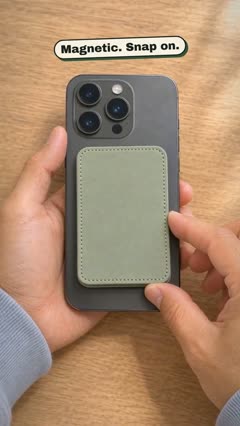 1.4s
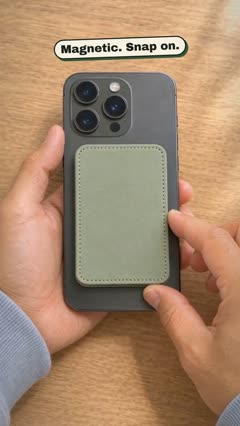 2.4s
In a real ad: The stand snapping onto the back of a phone, seen from above, before a word is said.
Type 3 of 10
Show it working, no words
The product doing its job is the fastest proof there is, and it needs no sound. Use it when the product is satisfying to watch: something that snaps, pours, wipes, folds or fits.
- The product snapping, clicking or locking into place, seen from above. Shot Use this hook
- A slow pour, close up, into a glass full of ice. Shot Use this hook
- A hand spreading [product] across a surface until it is covered. Shot Use this hook
- The mess first, then one wipe through the middle of it. Shot Use this hook
- The box opening toward the camera. Shot Use this hook
- The product dropped into the frame, landing exactly where it belongs. Shot Use this hook
- The product next to the thing it replaces, in one shot. Shot Use this hook
- Your app on a phone, one thumb doing the whole task. Shot Use this hook
- A timer starting on screen as the hands get to work. Shot Use this hook
- The finished result first, then a cut back to the start. Shot Use this hook
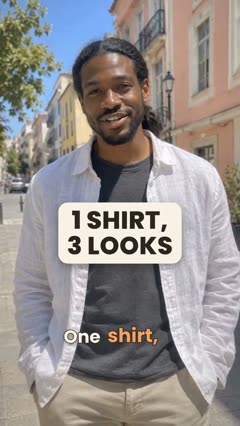 0.4s
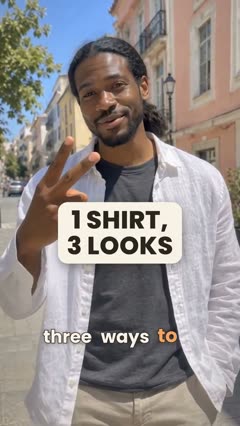 1.4s
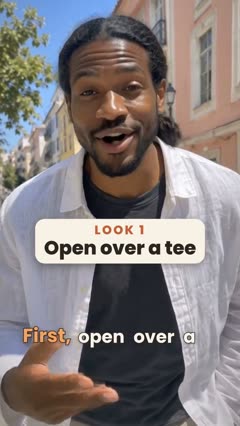 2.4s
In a real ad: "One shirt, three ways to wear it."
Type 4 of 10
Promise a number
A number is a contract: three ways means the viewer knows how long they are staying and what they get. It also gives the edit its shape, one beat for each.
- One [product], three ways to use it. Host Use this hook
- Three things [product] does that your current one does not. Host Use this hook
- [Number] seconds. That is how long [task] takes now. Host Use this hook
- The two settings on [product] nobody tells you about. Host Use this hook
- Three mistakes people make with [product type]. Host Use this hook
- One [material or ingredient], [number] uses. Host Use this hook
- [Number] reasons [audience] switch to [product]. Host Use this hook
- [Number] steps from [starting state] to [end state]. Host Use this hook
- One [product], three jobs. Host Use this hook
- Day [number] of using [product], and here is what I noticed. Customer only
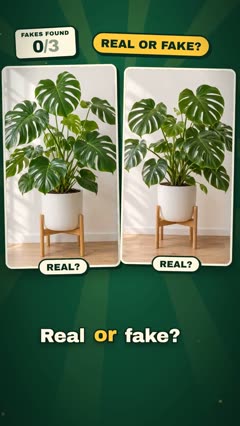 0.4s
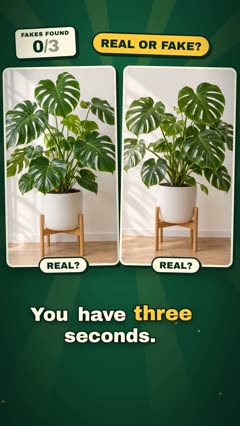 1.4s
 2.4s
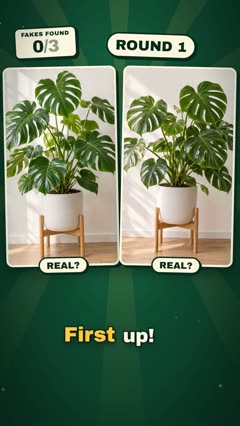
In a real ad: "Real or fake? You have three seconds."
Type 5 of 10
Start a game
A game gives the viewer something to do, and nobody leaves a round they have started. The reveal at the end is where the sales argument lands.
- Real or fake? You have three seconds. Host Use this hook
- [Number] moves. Can you [solve it]? Host Use this hook
- Guess the price before this video ends. Host Use this hook
- Spot the difference between these two [things]. Host Use this hook
- Which one is the [original], left or right? Host Use this hook
- Pause when you see the [detail]. Host Use this hook
- Finish this sentence: a good [product type] should ... Host Use this hook
- Count how many [things] fit in here. Host Use this hook
- Bet you cannot tell which [photo] came first. Host Use this hook
- Try to scroll past this. Shot Use this hook
 0.4s
 1.4s
 2.4s
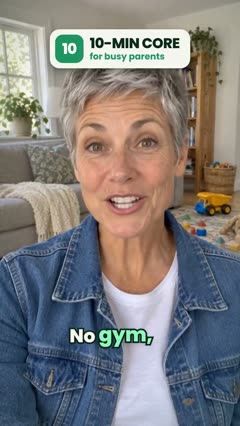
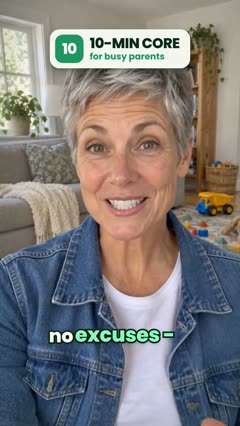
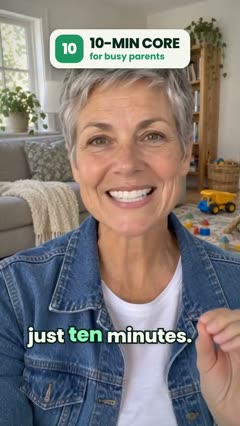
In a real ad: "No gym, no excuses - just ten minutes."
Type 6 of 10
Take away the excuse
Most people already want the result. What stops them is a reason not to start: no time, no money, no space, no skill. Name the reason and remove it in the same breath.
- No [thing people think they need], no excuses - just [short time]. Host Use this hook
- You do not need [expensive thing] to [result]. Host Use this hook
- No time to [task]? This takes [number] minutes. Host Use this hook
- Think [product type] is too expensive? Do the math with me. Host Use this hook
- Not a morning person? Good. This works at [any time]. Host Use this hook
- You do not have to be good at [skill] to [result]. Host Use this hook
- Small [kitchen, flat, budget]? This still fits. Host Use this hook
- Tried [product type] before and gave up? This one is different in one way. Host Use this hook
- No tools, no drilling, no mess. Host Use this hook
- I said I had no time for this either. Customer only
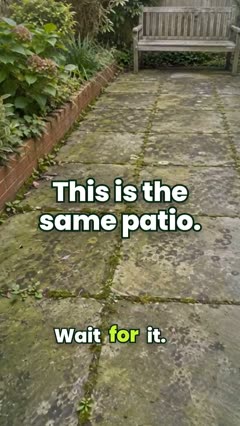 0.4s
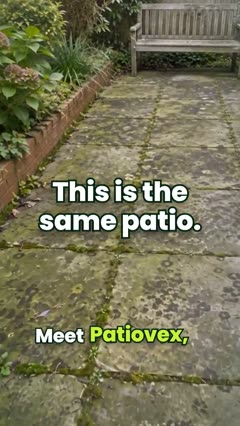 1.4s
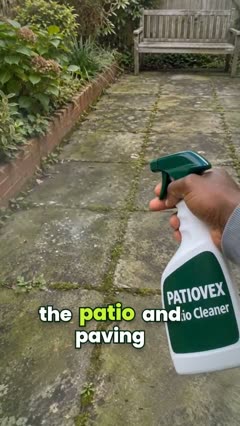 2.4s
In a real ad: The before photo, with the words "This is the same patio." on it.
Type 7 of 10
Show the before, hold the after
A before picture opens a question that only the after can close, so the viewer waits. It needs real photos of the same thing: this is the one hook you cannot fake, and should not try to.
- The before photo, with the words: This is the same [thing]. Shot Use this hook
- The before photo, with the words: Wait for it. Shot Use this hook
- Two photos side by side: Left, [date]. Right, today. Shot Use this hook
- A line moving slowly across the [surface], clean on one side. Shot Use this hook
- Same [room, car, screen], [number] minutes apart. Shot Use this hook
- It did not look like this [time] ago. Host Use this hook
- Do not skip to the end. Host Use this hook
- The before is hard to look at. Stay for the after. Host Use this hook
- One of these is the old one. Guess which. Host Use this hook
- This was my [thing] in [month]. Customer only
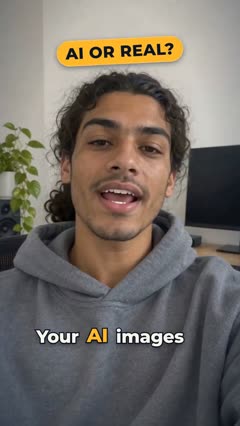 0.4s
 1.4s
 2.4s
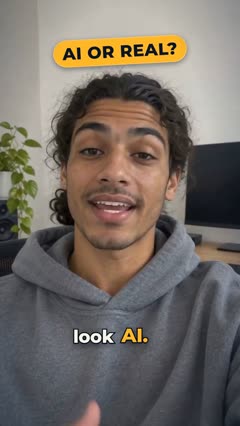
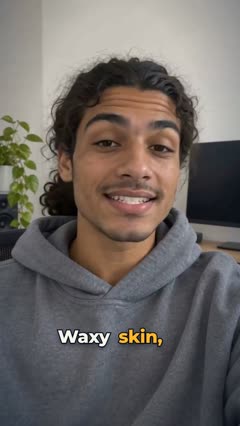
In a real ad: "Your AI images look AI."
Type 8 of 10
Say what they already suspect
Saying out loud the thing the viewer half knows about their own situation earns attention and trust at once. Keep it about the problem, never an insult to the person.
- Your [thing] looks [the flaw], and people notice. Host Use this hook
- [Common habit] is costing you [what it costs]. Host Use this hook
- Most [product type] is [the unflattering truth]. Host Use this hook
- Nobody reads your [thing]. Here is why. Host Use this hook
- [The big thing] should not be the first test of [your idea]. Host Use this hook
- That [cheap fix] is making it worse. Host Use this hook
- You are not bad at [skill]. Your [tool] is. Host Use this hook
- The [product type] you bought last year is already [worn out]. Host Use this hook
- Here is the part of [topic] nobody tells you. Host Use this hook
- I wasted [amount of time] before I found this out. Customer only
 0.4s
 1.4s
 2.4s
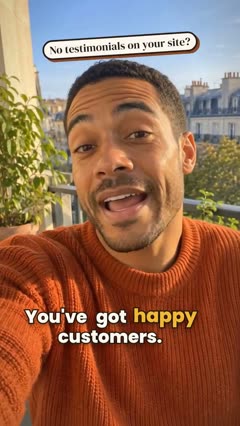
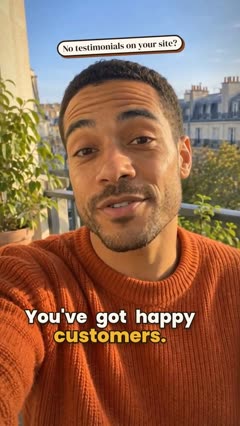
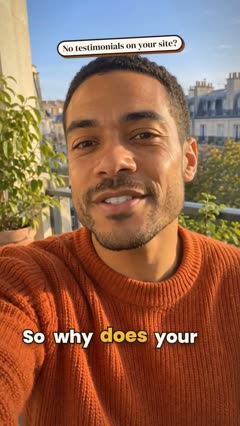
In a real ad: "You've got happy customers. So why does your site say nothing about them?"
Type 9 of 10
Name the gap
Two short sentences: what the viewer has, and what is still missing. The space between them is exactly the size of your product. It suits software and services, where there is nothing to pour or snap.
- You have [good thing]. So why does your [place] say nothing about it? Host Use this hook
- You built [the product]. But you never find the time to [task]. Host Use this hook
- You pay for [thing]. You use [small part] of it. Host Use this hook
- You know you should [task]. You have not done it since [time]. Host Use this hook
- Great [product], empty [shop, calendar, inbox]. Host Use this hook
- You spent [time] on [the work] and [seconds] on [the part people see]. Host Use this hook
- Your [thing] works. Your [other thing] does not show it. Host Use this hook
- Everyone says [advice]. Nobody says how. Host Use this hook
- You bought the [gear]. It is still in the box. Host Use this hook
- I had [the good thing] too, and nothing to show for it. Customer only
 0.4s
 1.4s
 2.4s
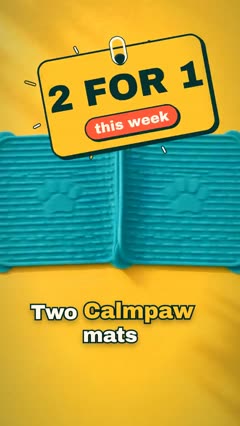
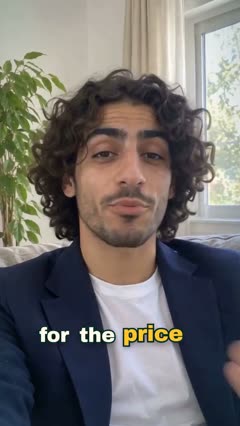
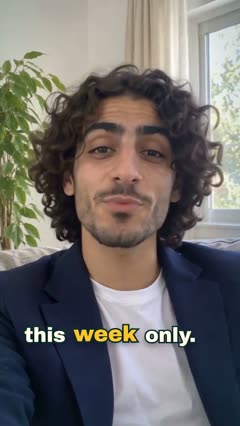
In a real ad: "Two Calmpaw mats for the price of one, this week only."
Type 10 of 10
Lead with the offer
When the deal is the news, say it first. It suits people who already know the product or the category and only need a reason to act today. Say only what is true: a deadline or a stock count that is made up is a false claim.
- Two [products] for the price of one, this week only. Host Use this hook
- [Percent] off your first [order or month], today. Host Use this hook
- Free shipping ends [day]. Host Use this hook
- Your first [clean, class, box] for [price]. Host Use this hook
- The [season] sale is on. Here is what is in it. Host Use this hook
- Book this week and get [bonus]. Host Use this hook
- Only [number] left at this price. Host Use this hook
- New here? Start with this one, and it is [offer]. Host Use this hook
- A bundle of [number], one price. Host Use this hook
- A free [gift] with every order until [date]. Host Use this hook
What the best TikTok hooks have in common
Look across the ten ads above and four things repeat. None of them is about being loud.
| What they do | What it looks like | The mistake it avoids |
|---|---|---|
| Something to look at in frame one | The product, the mess, a face mid-sentence, or big words on the screen | A logo, a slow fade or an empty room |
| One idea | One question, one number, one offer | A hook that promises three things and proves none |
| Words on the screen | The line can be read as well as heard | A line that is said once and gone |
| The next shot pays it off | The answer, the first of the three, the after | A strong opening followed by a slow introduction |
People search for viral TikTok hooks as if a line could make a video spread. No line can. A hook buys you the next five seconds, and the rest of the ad has to earn the rest. What a good hook does reliably is make the right viewer stop, which for an ad is the only kind of reach that pays.
How to test hooks without remaking the ad
Nobody knows which hook wins until it has run. The cheap way to find out is to change one thing at a time and let a small budget decide. Here are five openings for one product, a lick mat for dogs, each a finished ad:
-
 Made with ReelHatchReelHatch
Calmpaw · 30s
The problem
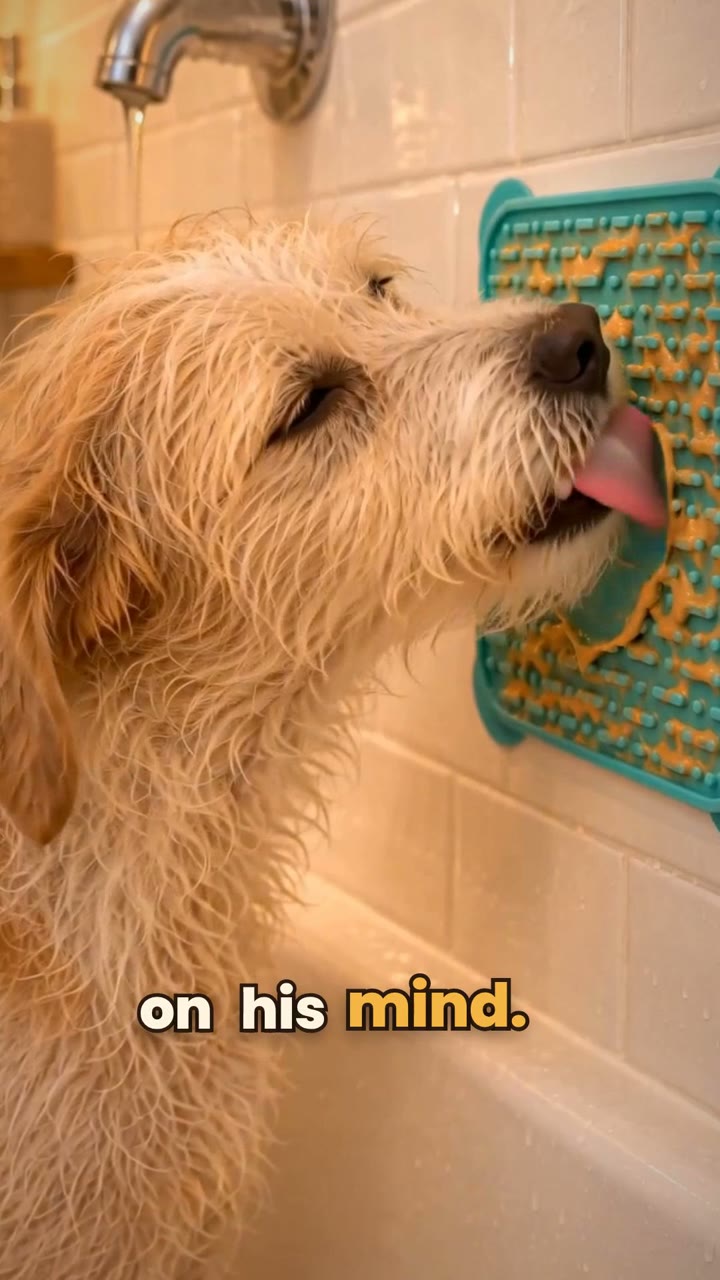
Opens with: "Bath time with a nervous dog? Try this."
-
 Made with ReelHatchReelHatch
Calmpaw · 15s
The demo
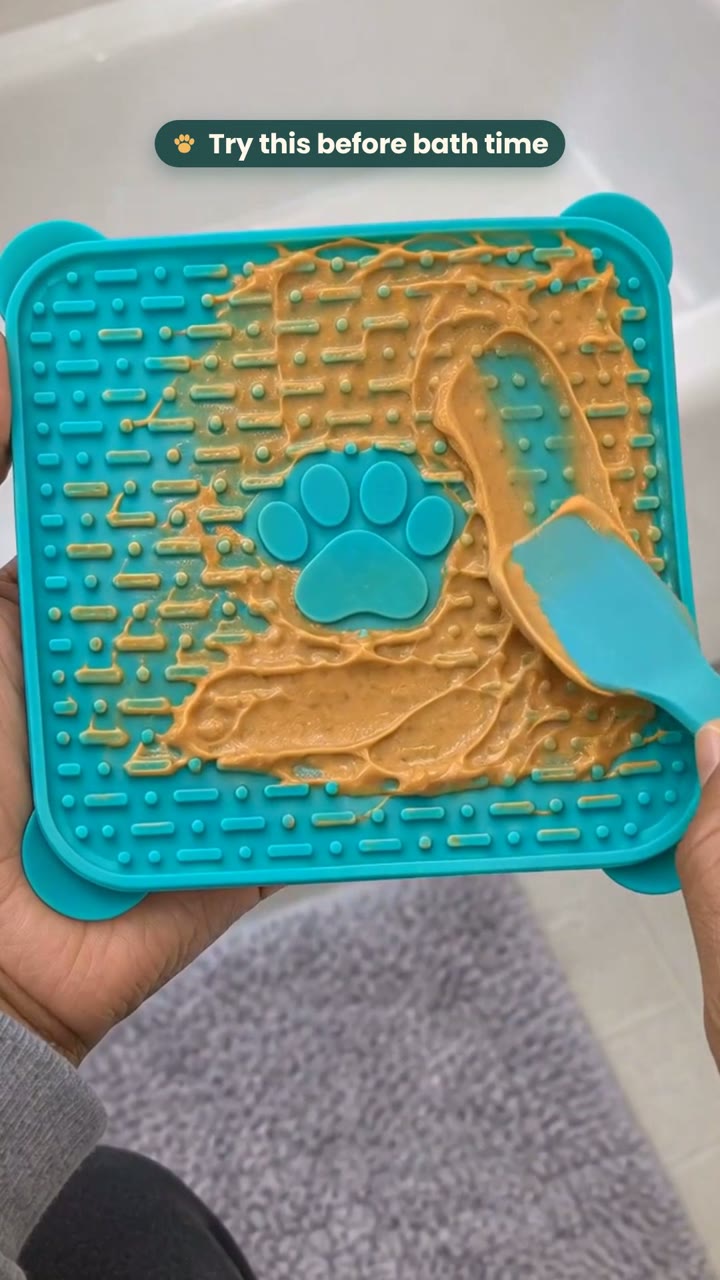
Opens with: No words for three seconds: peanut butter on the mat, the mat on the tub wall.
-
 Made with ReelHatchReelHatch
Calmpaw · 15s
Three uses
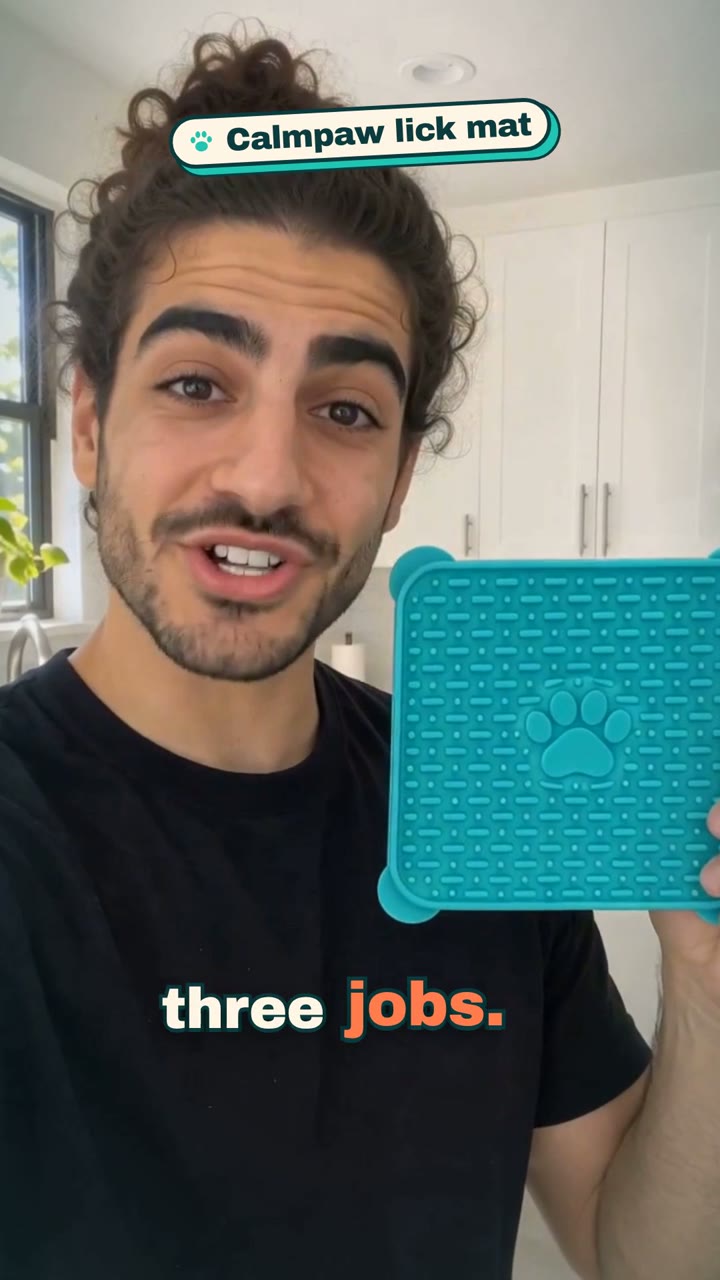
Opens with: "One mat, three jobs."
-
 Made with ReelHatchReelHatch
Calmpaw · 15s
The offer
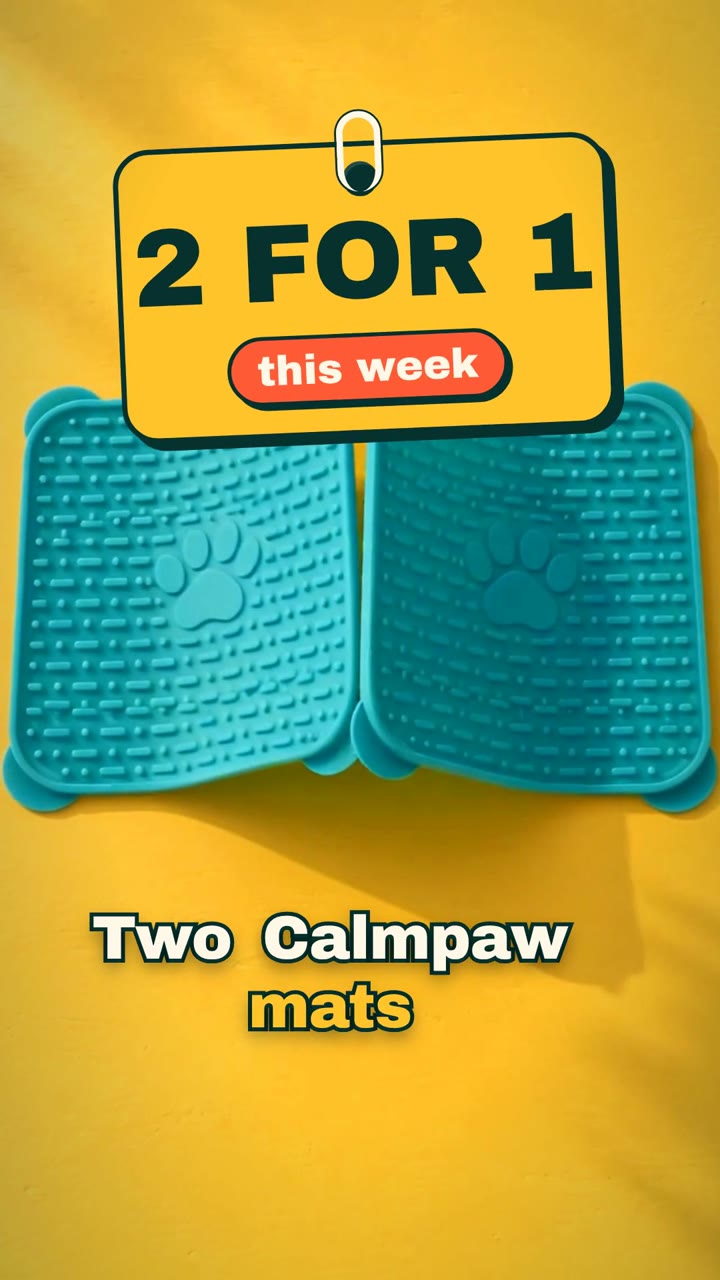
Opens with: "Two Calmpaw mats for the price of one, this week only."
-
 Made with ReelHatchReelHatch
Calmpaw · 15s
No presenter
Opens with: Words and music only, one line on every beat.
| What you change | What stays the same | How to do it in ReelHatch |
|---|---|---|
| Only the opening line | Every shot, the voice, the music, the offer | On the finished ad, ask for a change in plain words: "Open with this line instead". The director remakes only what changes. |
| The type of hook | The product, the buyer and the offer | Run the prompt again with the new opening written into it, as the five ads above were made. |
| Everything | Only the prompt | Press "Make another" on a finished ad: a new take from the same prompt, with its own hook. |
Three to five openings per product is a sensible first test. Give each the same small budget, look at how many viewers are still there after three seconds and how many click, and keep the winner. Then try a new type against it. For the words that come after the hook, see the UGC video examples with the prompt behind each one.
How to write your own
- Start from the buyer's moment. The bath, the invoice, the gift you still have not bought. A hook about a moment beats a hook about a feature.
- Say it the way you would say it out loud. If the line would sound odd across a table, it will sound like an ad.
- Keep it under about ten words. The opening lines measured above run 4 to 14 words, and the longer ones are two short sentences, not one long one.
- Put the words on the screen. A line that can be read as well as heard lands twice. In ReelHatch, word-by-word captions are on unless you switch them off.
- Decide what the next shot is before you settle the line. A hook is a promise. Know how you keep it.
Read next: seven script templates with real scripts beside them, for the lines after the hook, and nine TikTok ads taken apart second by second.